 (916) 225-5357
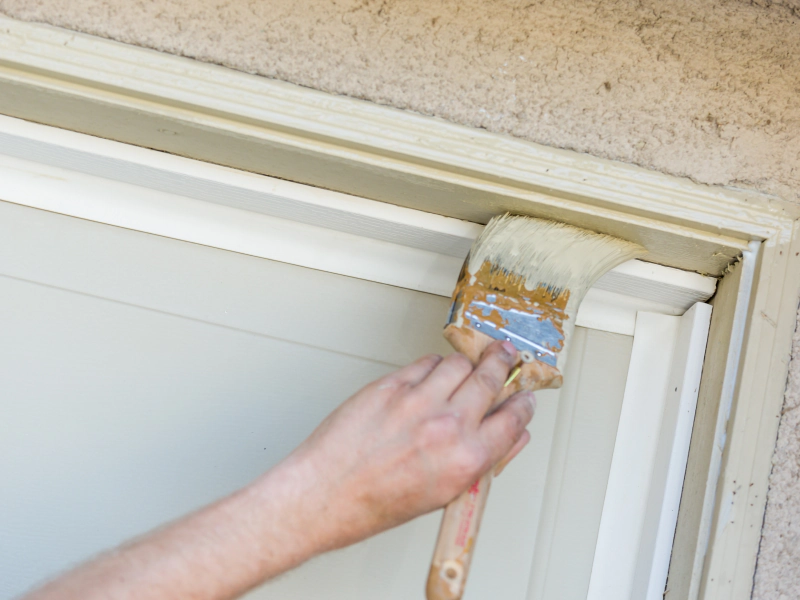
Transform Your Home with Expert Door Painting Tips
Master Door Painting to Elevate Your Home’s Curb Appeal
A Complete Guide to Flawless Finishes and Preparation
Why Refinishing Your Entryway Matters
Your front door is the first thing visitors and potential buyers see when they approach your home. Door painting protects your investment while dramatically improving curb appeal and property value. A freshly painted door signals that your home is well maintained and cared for, creating an inviting entrance that makes a lasting impression.
Beyond aesthetics, quality door finishes provide essential protection against the elements. Rancho Cordova’s hot, dry summers and occasional winter rain can fade paint, cause cracking, and damage unprotected wood surfaces. Regular repainting creates a barrier against moisture infiltration, UV damage, and temperature fluctuations that can warp or split door materials over time.
When should you repaint your doors? Look for signs like fading color, chipping or peeling paint, visible wood grain showing through thin spots, or difficulty opening and closing due to paint buildup. Exterior doors typically need refinishing every three to five years, while interior doors can last longer depending on traffic and wear patterns. Addressing these issues promptly prevents more costly repairs down the line.
Surface Preparation: The Foundation of Quality Results
Proper surface preparation determines whether your door painting project lasts years or fails within months. Starting with a clean, sound surface is non-negotiable for achieving a durable, professional finish. Remove all dirt, grease, and cobwebs with a thorough cleaning using mild detergent and water, then allow the door to dry completely before proceeding.
Next, address any existing paint problems. Scrape away all loose, peeling, or bubbling paint using a quality scraper or wire brush. In the Sacramento area, many older homes have multiple paint layers that have been compromised by heat expansion and contraction cycles. These unstable layers must be removed or your new paint will fail along with the old. Sand all surfaces with medium-grit sandpaper to smooth rough edges and create proper adhesion for new coatings.
Fill any cracks, dents, or holes with appropriate wood filler or exterior-grade spackling compound. This step is particularly important for exterior doors that have suffered weather damage or minor impact damage over the years. Once repairs dry completely, sand them flush with surrounding surfaces. A professional painting service will also check door hardware, remove items that interfere with even coverage, and mask adjacent surfaces to protect trim and sidelights from overspray or brush marks.
Selecting the Right Paint and Finish
Choosing the right paint type and color transforms your door from functional to stunning while ensuring long-lasting protection. For exterior doors, always select paint specifically formulated for exterior use with UV inhibitors and weather resistance. High-quality acrylic latex paints offer excellent durability, flexibility, and color retention. Oil-based paints provide superior hardness and smoothness but require longer drying times and more careful application.
Sheen selection impacts both appearance and maintenance. Semi-gloss and gloss finishes are ideal for doors because they resist moisture, clean easily, and highlight the door’s architectural details. Satin finishes offer a more subtle look while still providing good durability. Avoid flat or matte paints on doors, as they show wear quickly and are difficult to clean.
Color selection deserves thoughtful consideration. Your door color should complement your home’s exterior palette while expressing your personal style. Bold colors like deep red, navy blue, or forest green create striking focal points, while classic black, white, or natural wood tones offer timeless elegance. Consider your neighborhood aesthetic, your home’s architectural style, and how the color will appear in different lighting conditions throughout the day. If you are uncertain about color choices, color consultation services can help you visualize options and select a shade that enhances your home’s overall appearance and value.
Interior vs. Exterior: Understanding the Differences
Interior and exterior door painting require different approaches, materials, and techniques to achieve optimal results. Exterior doors face harsh conditions including direct sunlight, temperature extremes, moisture, and physical wear from constant use. An exterior house painting service uses specialized primers and topcoats engineered to withstand these challenges. Exterior doors need UV-resistant paint because Rancho Cordova’s intense summer sun can break down inferior coatings within a single season, leading to premature fading and chalking.
Interior house painting service focuses on aesthetics and durability against different challenges like fingerprints, scuffs, and cleaning products. Interior doors typically use lower-VOC paints for better indoor air quality and can employ a wider range of sheens and colors since they are protected from weather. You might choose a softer satin finish for bedroom doors while selecting semi-gloss for kitchen or bathroom doors where moisture and cleaning frequency are higher.
Application techniques also differ. Exterior doors often benefit from spray application for the smoothest, most weather-resistant finish, while interior doors can be successfully brushed or rolled with proper technique. Exterior projects require careful attention to temperature and humidity during application and curing, typically best performed during mild weather. Interior projects offer more flexibility in timing but still require adequate ventilation and appropriate drying conditions between coats.
Should You Paint Doors Yourself or Hire a Pro?
Deciding between DIY and hiring a professional painting service depends on your skill level, available time, and desired outcome quality. Simple interior door repainting in a home with minimal prep needs can be a manageable DIY project if you have patience and follow proper techniques. You will need to invest in quality brushes, rollers, painter’s tape, sandpaper, and paint, plus dedicate several days to complete the work properly with adequate drying time between coats.
However, professional painting contractors bring significant advantages that often justify their cost. Skilled painters achieve smooth, even coverage without drips, brush marks, or uneven color that plague many DIY attempts. They understand how to handle challenging door materials, work efficiently around hardware and glass panels, and select products that deliver superior longevity. A residential painting service completes in hours what might take you an entire weekend, freeing your time for other priorities.
For exterior doors, professional help becomes even more valuable. These projects require working at heights, managing weather timing, ensuring proper primer and paint compatibility, and achieving finishes that protect against severe conditions. Professional painting services also handle surface preparation thoroughly, including drywall repair service if your door frame or surrounding areas need attention. The investment in quality workmanship pays dividends through extended lifespan and better appearance. If surface preparation and painting feel overwhelming, our team is available to provide a free estimate and discuss how we can help you achieve the beautiful, durable results you deserve.